
March Construction Update
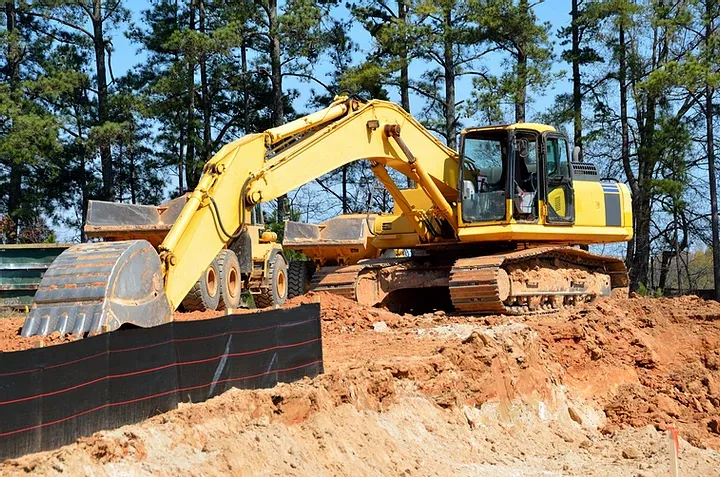
New Construction Projects Off to a Slow Start in 2019
According to a recent report from ConstructConnect, the number of new construction projects fell 6.7 percent in January compared to the end of 2018. And, although some of this decrease was caused by the start of a new year, the number of new nonresidential projects was significantly lower compared to last year.
Here are some specific year-over-year findings from ConstructConnect’s industry snapshot:
- Commercial projects decreased by 39.7 percent.
- Heavy engineering projects decreased by 19.2 percent.
- Institutional projects decreased by 17.3 percent.
- Industrial projects increased by 125.3 percent as a result of large factory and plant projects.
Some experts believe that the partial government shutdown contributed to the slow start, as many federal contractors couldn’t start or resume work. However, a report from the U.S. Bureau of Labor Statistics also found that the construction industry created 52,000 jobs in January alone.
Experts Predict Increase in Prefabricated Construction
While most construction projects produce at least part of a structure off-site, advances in prefabrication technology are making modular construction more accessible. In fact, sales of prefabricated structures are increasing by about 6 percent annually, and experts believe that the market for this type of construction will be worth $209 billion by the end of next year.
Using prefabricated construction, employees can work on entire sections of a structure off-site, transport them to the job site and then assemble everything together. Not only does this help speed up complicated operations like electrical wiring and plumbing installation, employees can also avoid hazards associated with the main worksite.
Here are some of the advantages that prefabricated construction can offer:
- Boosts safety—Employees can work on structures in a spacious factory and at ground level, which lowers the risk of an accident.
- Saves time—Structures can be built in a setting with extra space and resources, so prefabricated projects are usually completed quickly and with lower overhead costs.
- Environmentally friendly—Prefabricated construction has less of an impact on the final construction site and usually causes less runoff and pollution.
- Addresses skilled labor shortage—Many employers are struggling to find skilled employees, and prefabricated structures can be completed with smaller workforces.

